Educational activities at home can help children learn through play, creativity, and everyday experiences. The best activities are simple, engaging, and connected to skills children can use in real life.
Fun Educational Activities for Kids
1. Create a Home Science Experiment
Use safe household materials to explore topics such as floating and sinking, plant growth, magnetism, or simple weather observations. Ask your child to make a prediction and explain the result.
2. Plan a Reading Adventure
Choose a story together, create a comfortable reading space, and discuss the characters and events. Children can draw a favorite scene or write an alternative ending.
3. Practice Mathematics While Cooking
Measuring ingredients teaches fractions, counting, and basic conversions. Cooking also develops sequencing, reading comprehension, and practical independence.
4. Start a Nature Journal
Spend time outdoors observing plants, insects, clouds, or birds. Children can draw what they see, record observations, and research questions that come up.
5. Build a Creative Project
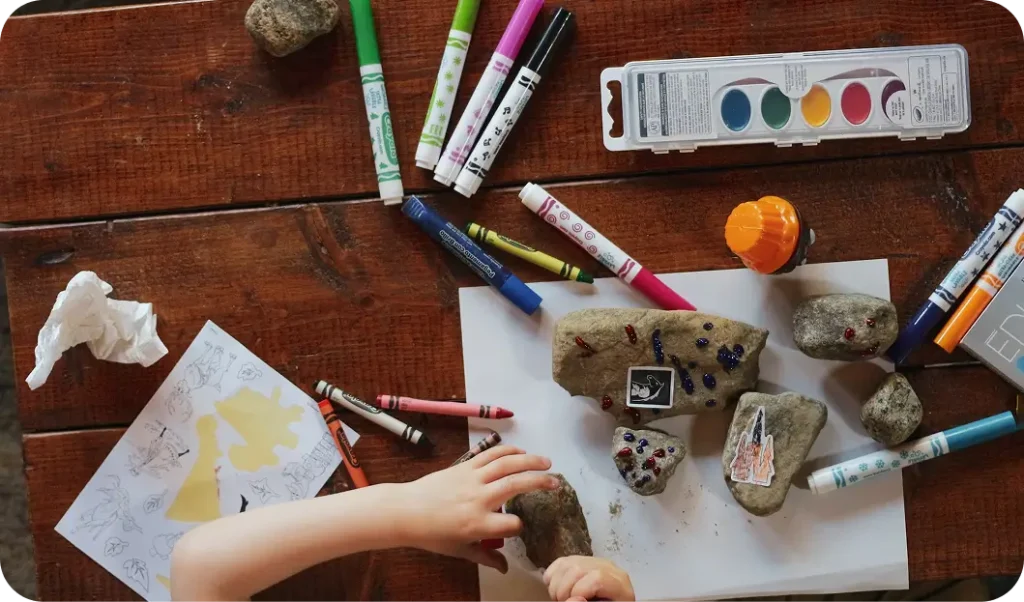
Use cardboard, paper, recycled materials, or building blocks to design a model. Encourage your child to explain the purpose of the project and how it works.
6. Organize a Family History Interview
Ask a family member about childhood memories, traditions, or important events. Children can prepare questions, take notes, and present what they learned.
7. Create a Learning Game
Turn spelling words, mathematics facts, or vocabulary into a quiz, matching game, or treasure hunt. Games make review sessions more active and memorable.
8. Run a Mini Business Project
Let children plan a small pretend shop or service. They can create a budget, design signs, calculate prices, and practice communication skills.
Make Learning Enjoyable
Give children choices and allow them to explore topics that interest them. An activity does not need to be complicated to be valuable; curiosity, discussion, and reflection are important parts of learning.
Conclusion
With a little creativity, ordinary materials and daily routines can become valuable learning opportunities. Try different activities and notice which ones help your child stay curious, confident, and engaged.