
A well-planned homeschooling schedule gives children structure while allowing families to stay flexible. The goal is not to fill every minute of the day, but to create a rhythm that supports focus, progress, and family life.
How to Build a Homeschooling Schedule
1. Identify Your Learning Priorities
Start by listing the subjects and skills your child needs to practice. Give the most important subjects a regular place in the weekly routine.
2. Choose Realistic Learning Hours
Consider your child’s age, energy level, and attention span. Younger children may learn best in shorter sessions, while older students may be ready for longer independent work.
3. Create a Daily Rhythm
Organize the day into familiar parts, such as morning lessons, a midday break, practical activities, and afternoon projects. A consistent rhythm makes transitions easier.
4. Schedule Breaks and Movement
Include time for snacks, exercise, outdoor play, and rest. Regular breaks help children return to their lessons with better focus.
5. Leave Room for Flexibility
Unexpected appointments, family responsibilities, and changing interests are part of home education. Build flexibility into the schedule instead of treating every change as a failure.
6. Include Independent Learning
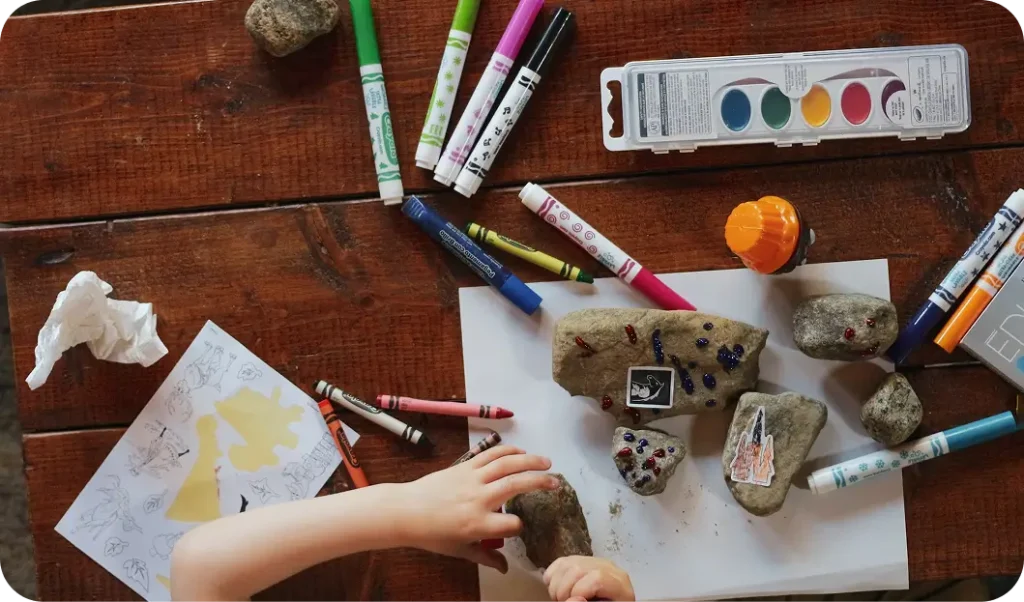
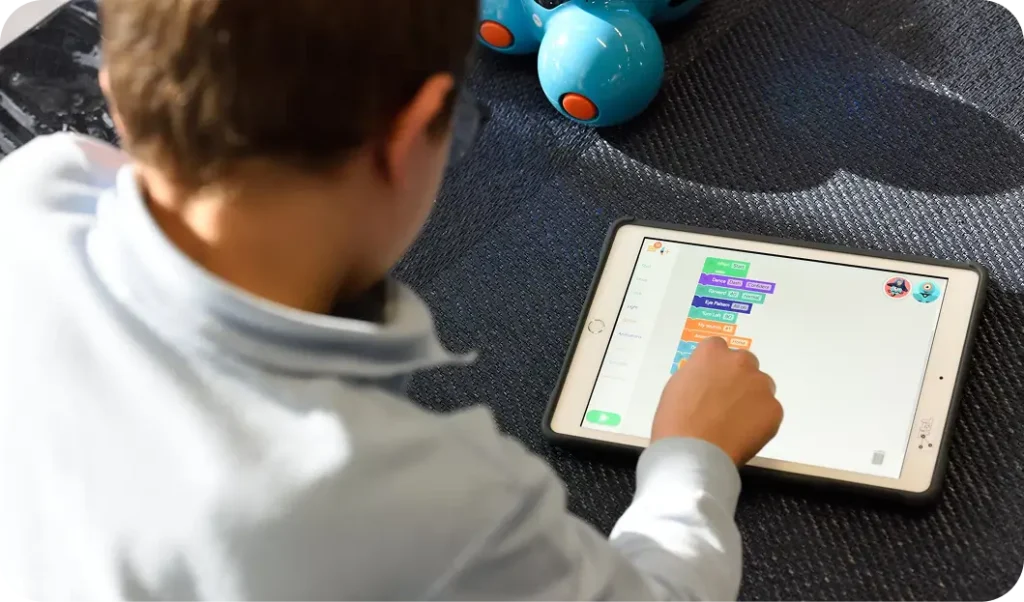
Set aside time for reading, research, creative projects, or review work that your child can complete with limited assistance. This encourages confidence and responsibility.
7. Review the Schedule Weekly
At the end of each week, discuss what worked and what felt difficult. Adjust lesson times, subjects, or breaks so the schedule continues to fit your family.
Example of a Simple Homeschooling Day
A balanced day might include reading and mathematics in the morning, a movement break, science or social studies before lunch, and creative or practical activities in the afternoon. The exact times can change based on your child’s needs.
Conclusion
A successful homeschooling schedule should provide direction without creating unnecessary pressure. Focus on consistent learning habits, meaningful breaks, and enough flexibility to help your child learn at a comfortable pace.