Homeschooling gives families the flexibility to create a learning experience that matches a child’s interests, pace, and needs. With the right structure and a supportive environment, learning at home can be productive, enjoyable, and meaningful.

10 Effective Homeschooling Tips
1. Create a Consistent Learning Routine
Set regular learning hours so children know what to expect each day. A predictable routine helps build focus while still leaving room for breaks, creativity, and family activities.
2. Design a Dedicated Learning Space
Choose a quiet, comfortable area with the basic materials your child needs. Keep the space organized and free from unnecessary distractions to make it easier to concentrate.
3. Set Clear Learning Goals
Define realistic weekly and monthly goals for each subject. Clear objectives help you track progress and make it easier to celebrate improvements along the way.
4. Adapt Lessons to Your Child’s Learning Style
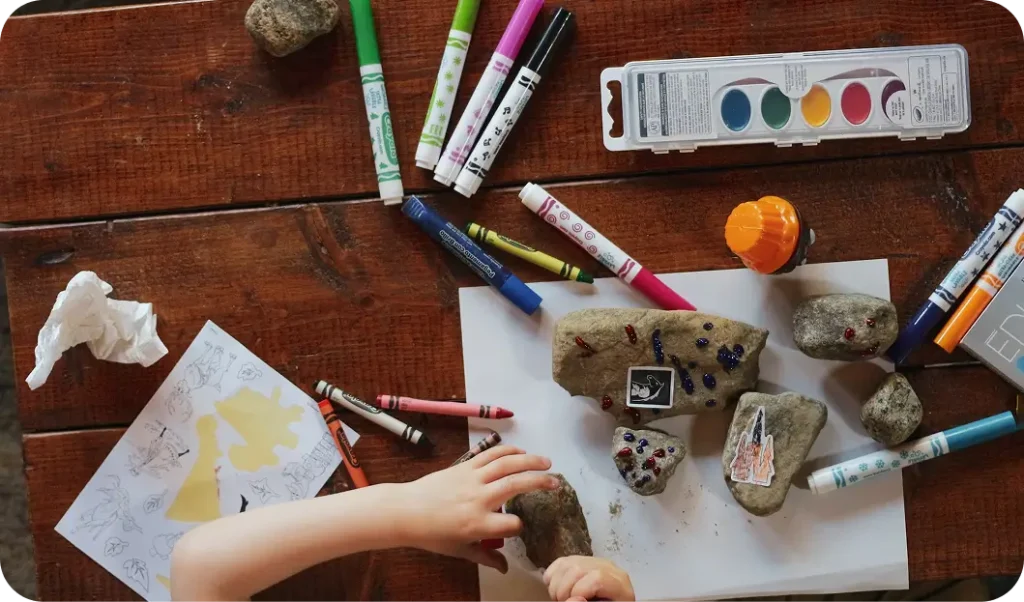
Some children learn best through reading, while others understand concepts more easily through visuals, discussion, experiments, or hands-on activities. Vary your teaching methods to keep lessons engaging.
5. Include Regular Breaks
Short breaks can improve attention and reduce fatigue. Encourage children to stretch, move around, have a healthy snack, or spend a few minutes outdoors between lessons.
6. Make Learning Practical
Connect lessons to everyday life. Cooking can teach mathematics, gardening can introduce science, and planning a family trip can develop research, geography, and writing skills.
7. Encourage Independent Learning
Give children opportunities to choose topics, research questions, and complete projects independently. This builds confidence, curiosity, problem-solving skills, and responsibility.
8. Use Technology Wisely
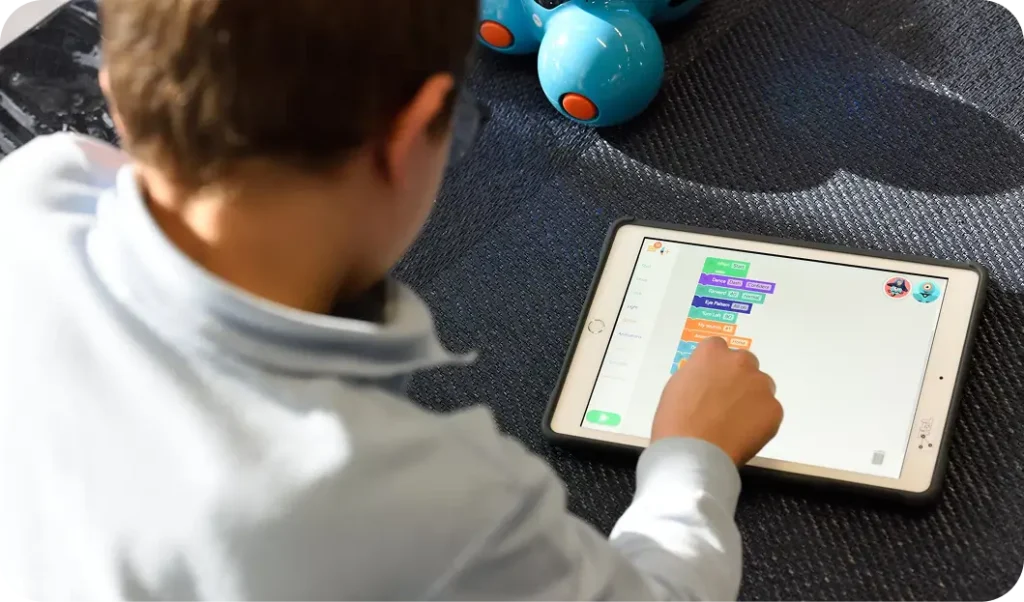
Educational videos, interactive lessons, and online resources can support homeschooling. Set clear screen-time limits and choose activities that complement your child’s learning goals.
9. Review Progress Regularly
Take time each week to review what your child has learned. Ask which activities were helpful, identify areas that need more practice, and adjust the routine when necessary.
10. Keep Learning Enjoyable
Learning at home should not feel like a constant test. Use games, projects, stories, creative challenges, and real-world experiences to make education enjoyable and memorable.
Build a Positive Homeschooling Experience
Successful homeschooling is built on consistency, flexibility, and encouragement. You do not need to follow a perfect schedule every day. Focus on helping your child make steady progress while developing a lifelong love of learning.
Conclusion
By creating a supportive routine, adapting lessons to your child’s needs, and making learning practical, you can maximize learning at home. Start with a few of these homeschooling tips and gradually build an approach that works best for your family.